|
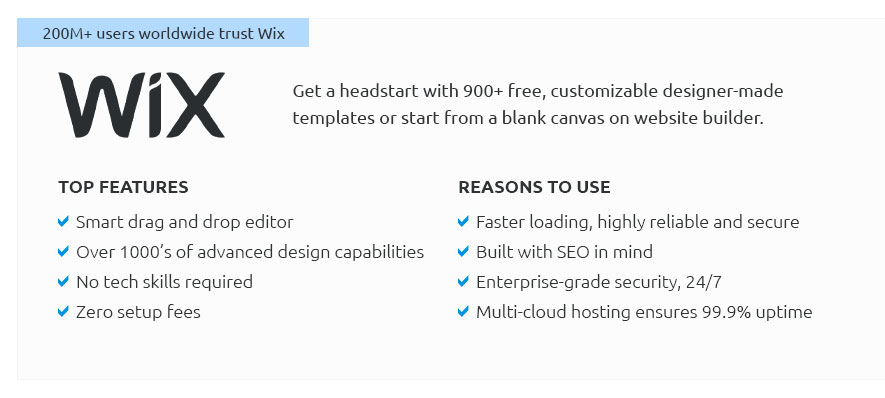
The Top 10 Website Makers: A Comprehensive Guide In today's digital era, crafting a compelling online presence is pivotal for businesses, creatives, and entrepreneurs alike. To navigate this essential task, the choice of a website maker can significantly impact your site's design, functionality, and overall success. Here, we delve into the top 10 website makers, examining their strengths, weaknesses, and key considerations to help you make an informed decision. - Wix: Renowned for its versatility, Wix offers a drag-and-drop interface that empowers users to create visually stunning websites without requiring any coding expertise. Its rich library of templates and apps provides vast customization options. However, some may find its plethora of features a tad overwhelming, especially those new to web design.
- Squarespace: Often celebrated for its sleek, minimalist designs, Squarespace is ideal for creatives and businesses seeking an aesthetically pleasing online presence. While its templates are undeniably beautiful, they offer less flexibility in customization compared to other platforms, which might limit those seeking more unique layouts.
- WordPress.com: A powerhouse in the blogging world, WordPress.com is perfect for content-driven sites. Its robust CMS capabilities make it a favorite among bloggers and writers. However, for those seeking extensive e-commerce solutions or high-level design control, the learning curve might be steeper.
- Shopify: For those prioritizing e-commerce, Shopify stands out as a leader. It provides comprehensive tools for setting up and managing an online store. While it's exceptionally powerful for sales, its focus on e-commerce might not suit those looking for more general website functionalities.
- Weebly: Known for its simplicity, Weebly offers an intuitive interface that's perfect for beginners. It strikes a balance between ease of use and functionality, though its design options can be somewhat limited for those seeking highly customized designs.
- Zyro: A newer contender, Zyro is making waves with its affordability and AI-driven tools, which simplify the design process. While it lacks the depth of features found in more established platforms, it's a great choice for startups on a budget.
- Webflow: Catering to designers and developers, Webflow combines the ease of a drag-and-drop builder with the power of a CMS. It's highly flexible, allowing for truly custom designs, but it requires a more technical understanding to leverage its full potential.
- Jimdo: Offering a straightforward approach, Jimdo is suitable for personal websites and small businesses. Its AI-based builder provides a quick setup, although its customization options are relatively basic.
- Duda: Targeted at agencies and professionals, Duda shines with its team collaboration features and client management tools. While it's ideal for larger projects, individual users might find it more complex than necessary for simpler websites.
- Strikingly: Specializing in one-page websites, Strikingly is perfect for portfolios and event pages. It's simple and effective, but may not be suitable for those requiring multi-page, feature-rich sites.
Ultimately, choosing the right website maker hinges on your specific needs, whether it's ease of use, design flexibility, or e-commerce capabilities. Each platform offers unique advantages, and understanding these can guide you in creating a digital presence that's both impactful and enduring. As you embark on this journey, consider not only your current needs but also how your website might evolve, ensuring your chosen platform can grow with you.


|
|